
GLP-1 Medications - What You Need to Know
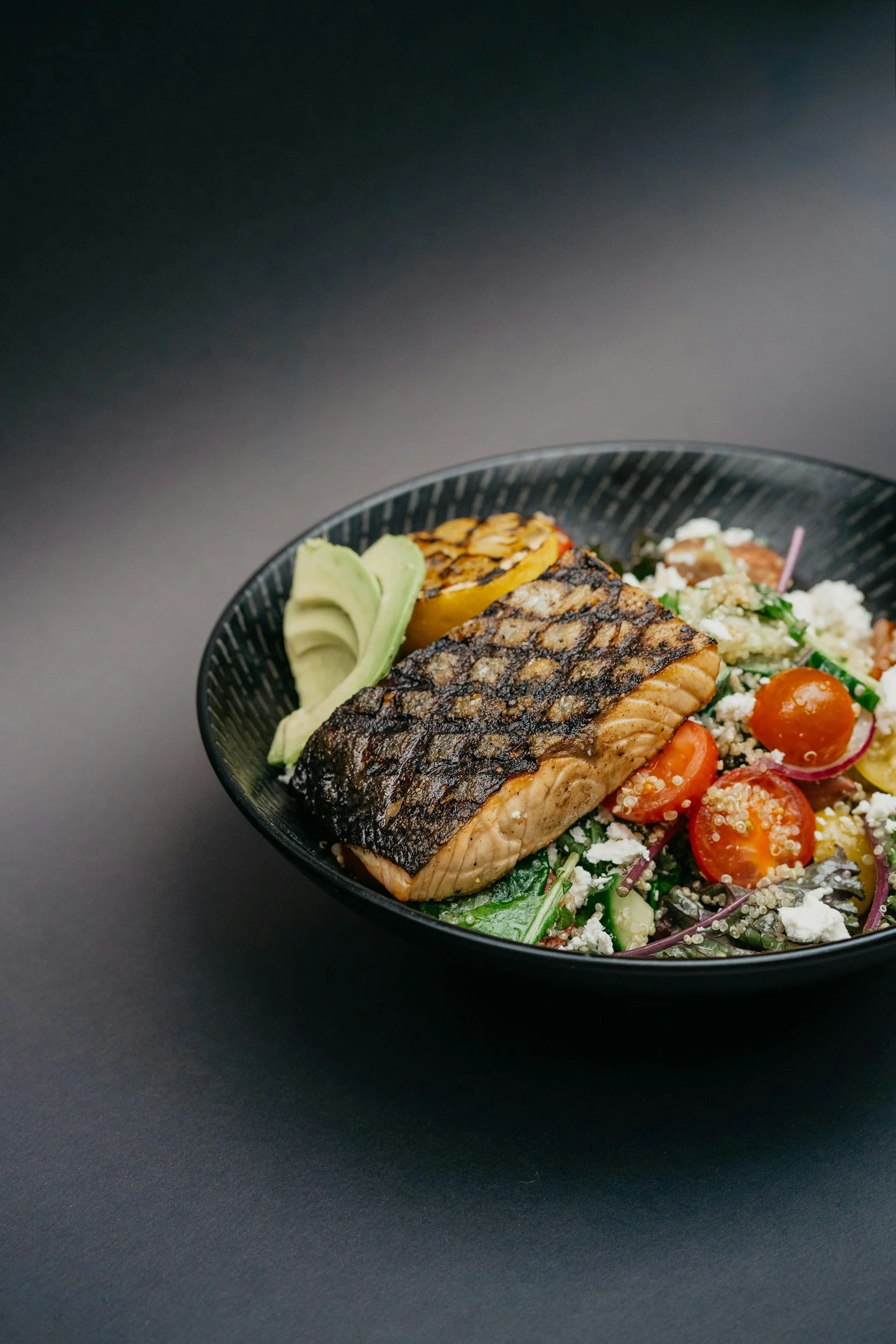
Optimize your experience on a GLP-1 medication
Intro
Many people have found great success in losing weight on a GLP-1, with an average weight loss of around 15-20% of their body weight over time. It’s no surprise they’ve found immense popularity.
Higher demands can bring new challenges. Some people struggle to get consistent supply due to shortages and cost, leading to the rise of compounded versions- which are not FDA-approved. So before we dig in, in this post, we will stick to the FDA-approved injectable Semaglutide and Terzepatide (Ozempic, Wegovy, Mounjaro, and Zepbound).
If you are considering a GLP-1, or currently taking one, always consult with your doctor for personalized guidance.
GLP-1 medications are powerful and have side effects that necessitate additional support. In this post, we’ll discuss the following risks and considerations, along with practical strategies to address them.
1) Lack of education on how they work and how to support your body
2) Significantly decreased appetite leading to nutrient insufficiency and muscle loss
3) Constipation
4) Diarrhea
5) Nausea
1) How GLP-1 Medications Work
Having a basic understanding of the medications we take is an important part of getting the most benefit from them. GLP-1 medications, also called GLP-1 receptor agonists, work by mimicking GLP-1, a hormone your body naturally produces. GLP-1, or glucagon-like peptide-1, is made by L-cells in the intestines and released into the bloodstream when you eat. It helps signal fullness and slows how quickly the stomach empties. Your body’s natural GLP-1 is released in response to food and breaks down quickly, usually within minutes. These medications are designed to act in a similar way but break down much more slowly, allowing their effects to last for days.
Here’s how GLP-1 medications impact your weight health:
1) They reduce hunger. By activating GLP-1 receptors in the brain, these medications lower appetite, reducing food intake. Cravings and appetite can change dramatically.
2) They prolong fullness. Slower digestion means food stays in your stomach longer. Absorption of micronutrients can be impacted as well.
3) They quiet “food noise.” Many people report a significant reduction in intrusive thoughts about food, sometimes to the point where they forget to eat.
2) What to Eat (Even When You Don’t Want to Eat)
You’ve probably heard, correctly, that protein must be prioritized. While a balanced diet is still the goal, many people experience decreased appetite. That coupled with cravings for easy to digest carbohydrates, can put protein and muscle at risk. Muscle is a valuable asset: it supports a healthy metabolism, helps improve hormone balance, and may even contribute to healthier-looking skin as we age!
People taking a GLP-1 actually have higher protein needs than the average person! If you are taking one of these medications, aim for at least 1-1.5 grams of protein per kilogram of body weight (or .45-68 grams/lb) every day. For example if you weight 100kg, which is 220lb, you will need 100-150 grams of protein a day! Protein, followed closely by produce - for fiber and gut health - are center plate, followed by healthy fats, and then carbohydrates.
If you recall, these medications slow gastric emptying, which can affect the absorption of certain nutrients, like calcium, iron and Vitamin D. Calcium and Vitamin D support long-term bone health, which is especially important because those losing weight quickly can be at higher risk for losing bone mass.
Calcium rich foods, like dairy and leafy greens along with Vitamin D rich foods, such as fatty fish and eggs yolks, are great additions to your diet. Pairing Vitamin D rich foods with healthy fats (unrefined coconut oil, well sourced avocado or olive oil, grass-fed/pastured tallow or lard, grass-fed butter or ghee) help with absorption. Vitamin D, along with iron, also plays a role in immune health, and iron helps with energy levels and preventing fatigue.
Iron rich foods, especially red meats, are complemented when paired with vitamin C (bell peppers, oranges). Avoid eating these foods alongside calcium-rich foods, as well as tea or coffee.
Some examples of what this looks like:
Breakfast: 4-egg omelet with full fat cheese and diced avocado, with half an apple or a slice of melon. Or, ¾ cup of full fat Greek yogurt mixed with approximately 25 grams of whey protein powder, chopped roasted nuts and berries.
Lunch: 6 ounces of ground turkey or turkey sausage sauteed with spinach, onion and avocado. Add a salad of cucumber and tomato with olive oil, or low-sugar fruit such as mixed berries on the side. Or, 4-6 ounces of grilled salmon, half cup of sweet potato, and broccoli and cauliflower vegetable medley.
Dinner: 6-8 ounces of beef tenderloin, grilled brussels sprouts, and citrus, like a small orange. Or, 4-6 ounces of turkey topped with avocado mayo, fresh or steamed veggies, and half cup of mashed sweet potatoes.
If you are already on a GLP-1 and this sounds impossible because you wake up feeling Thanksgiving Day full, set some guardrails up for yourself! Eat smaller, more frequent meals. Set a timer to remind yourself to eat, and prepare high protein snacks like roasted nuts or why protein smoothies to grab when you don’t have the time -or the appetite- to cook.
If you are just considering going on a GLP-1, start the good dietary habits before you go on it! Be sure the scaffolding in place to help maintain your muscle and nutrient status.
If you are planning to discuss coming off of a GLP-1 with your doctor, putting these good habits in place before you stop the medication is crucial. Clean out your pantry from snacks and processed foods that won’t support a nutrient-dense diet, reinforce your good eating and lifestyle habits, and set yourself up for success as you navigate your changing appetite.
As we will discuss in the next section, making sure elimination pathways are open before, during and after a GLP-1 is also critical.
3) Manage Constipation
Remember, these medications are present much longer than our own hormones. Slow digestion, along with decreased fiber intake due to a decreased appetite, can lead to constipation.
Also important is when we are losing fat, we are moving toxins. So it becomes especially important to keep elimination pathways open when on a GLP-1. Some tips:
1) Boost fiber intake - Add leafy greens to a smoothie (several cups can be blended in), incorporate beans into your meal plan. Also eat fiber rich fruits, like apples. Increase fiber gradually if you aren’t accustomed to eating a lot, to reduce discomfort.
2) Stay Hydrated - Water helps move food through the digestive system and aids in moving toxins - released as we lose fat - from the body. Drink away from meals, stopping drinking about a half hour before you eat, and only drink a small amount as needed with your meal. Resume drinking again about an hour after your meal. Aim for at least 8 glasses of water a day.
3) Keep moving - regular activity, such as adding short walks after meals, helps to regulate blood sugar, stimulate digestion, and eases constipation.
4) Manage Diarrhea
For some people, the medications can cause rapid emptying of the intestines, leading to diarrhea, especially early on. Some tips:
1) Stay hydrated - add a pinch of sea salt to water to help keep it from running through you.
2) Add soluble fiber - such as bananas and apples, to help bulk up stools.
3) Avoid triggers - keep a food diary and track what causes the problem. High-fat, greasy or spicy foods can often be the culprits.
5) Manage Nausea
Feeling full can lead to feelings of nausea. This is especially true when starting the medication or increasing doses, leading to less eating and potentially even malnutrition. Some tips:
1) Eat mindfully and chew thoroughly. Slow, thoughtful eating can help you known when you are full and prevent overeating.
2) Eat small, frequent, nutrient-dense, meals.
3) Choose gentle, more bland foods if you are feeling sensitive. Avoid greasy, heavy meals.
4) Sip water, especially away from meals, throughout the day to stay hydrated. Dehydration can make nausea worse.
5) Eat protein-rich snacks - sugar swings can increase nausea.
6) Sip on peppermint tea, which helps with nausea and staying hydrated.
7) Ginger can also help with nausea. Try fresh or dried ginger chews or ginger tea.
8) Experiment with cold or room temperature foods to see what works for you.
Help Is Available
While GLP-1 medications can be very effective for obtaining your weight goals, there is much more to the story. Lifestyle changes and being well educated are essential for safely losing fat, maintaining muscle and nutrient status, and supporting your overall energy and zest for life.
Do you need more personalized recommendations, supplements or strategies from a professional who is invested in seeing you thrive? Book an appointment with me today to see if my service can help you.
References
Aronne, L.J., Sattar, N., & Horn, D.B. (2024). Continued treatment with Tirzepatide for maintenance of weight reduction in adults with obesity. JAMA, 331(1), 38-48. https://doi.org/10.1001/jama.2023.24945.
Blum, D. (2023, June 21). People on drugs like Ozempic say their “food noise” has disappeared. The New York Times. Retrieved November 13, 2024, from https://www.nytimes.com/2023/06/21/well/eat/ozempic-food-noise.html
Bodnaruc, A.M., Prud’homme, D., Blanchet, R., & Giroux, I. (2016). Nutritional modulation of endogenous glucagon-like peptide-1 secretion: A review. Nutrition & Metabolism, 13, 92. https://doi.org/10.1186/s12986-016-0153-3.
Campos-Nonato, I., Hernandez, L., & Barquera, S. (2017). Effect of a high-protein diet versus standard-protein diet on weight loss and biomarkers of metabolic syndrome: a randomized clinical trial. Obesity Facts, 10(3), 238-251. https://doi.org/10.1159/000471485.
Carbone, J.W., & Pasiakos, S.M. (2019). Dietary protein and muscle mass: Translating science to application and health benefits. Nutrients, 11(5), 1136. https://doi.org/10.3390/nu11051136.
Garvey, W.T., Batterham, R.L., Bhatta, M., Buscemi, S., Christensen, L.N., Frias, J.P., Jódar, E., Kandler, K., Rigas, G., Whadden, T.A., Wharton, S, & STEP 5 Investigators. (2022). Two-year effects of semaglutide in adults with overweight or obesity: The STEP 5 trial. Nature Medicine, 28(10), 2083-2091. https://doi.org/10.1038/s41591-022-02026-4.
Huber, H., Schieren, A., Holst, J.J., & Simon, M.C. (2024). Dietary impact on fasting and stimulated GLP-1 secretion in different metabolic conditions - A narrative review. The American Journal of Clinical Nutrition, 119(3), 599–627. https://doi.org/10.1016/j.ajcnut.2024.01.007.
Jastreboff, A.M., Aronne, L.J., Ahmad, N.N., Wharton, S., Connery, L., Alves, B., Kiyosue, A., Zhang, S., Liu, B., Bunck, M.C., & Stefanski, A. (2022). Tirzepatide once weekly for the treatment of obesity. The New England Journal of Medicine, 387(3), 205-216. https://doi.org/10.1056/NEJMoa2206038.
Kobylińska, M., Antosik, K., Decyk, A., & Kurowska, K. (2022). Malnutrition in obesity: is it possible? Obesity Facts, 15(1), 19–25. https://doi.org/10.1159/000519503.
Mahapatra, M.K., Karuppasamy, M., & Sahoo, B.M. (2022). Semaglutide, a glucagon-like peptide-1 receptor agonist with cardiovascular benefits for management of type 2 diabetes. Reviews in Endocrine and Metabolic Disorders, 23(3), 521-539. https://doi.org/10.1007/s11154-021-09699-1.
McCarthy, D., & Berg, A. (2021). Weight loss strategies and the risk of skeletal muscle mass loss. Nutrients, 13(7), 2473. https://doi.org/10.3390/nu13072473.
National Institutes of Health. (2024, July 24). Calcium fact sheet for health professionals. Retrieved November 13, 2024, from https://ods.od.nih.gov/factsheets/Calcium-HealthProfessional/
National Institutes of Health. (2024, October 9). Iron fact sheet for health professionals. Retrieved November 13, 2024, from https://ods.od.nih.gov/factsheets/Iron-HealthProfessional/
National Institutes of Health. (2024, July 26). Vitamin D fact sheet for health professionals. Retrieved November 13, 2024, from https://ods.od.nih.gov/factsheets/VitaminD-HealthProfessional/
Nauck, M.A., Quast, D.R., Wefers, J., & Pfeiffer, A.F.H. (2021). The evolving story of incretins (GIP and GLP-1) in metabolic and cardiovascular disease: A pathophysiological update. Diabetes, Obesity and Metabolism, 23(3), 5-29. https://doi.org/10.1111/dom.14496.
NovoMEDLINK. (n.d.). Important safety information for Wegovy®. Retrieved November 13, 2024, from https://www.novomedlink.com/obesity/products/treatments/wegovy.html#Wegovy-HCP-isi
Patoulias, D., Papadopoulos, C., & Doumas, M. (2022). Tirzepatide versus semaglutide once weekly in type 2 diabetes. The New England Journal of Medicine, 386(7), e17. https://doi.org/10.1056/nejmc2114590.
Rubino, D., Abrahamsson, N., & Davies, M. (2021). Effect of continued weekly subcutaneous semaglutide vs placebo on weight loss maintenance in adults with overweight or obesity. JAMA, 25(14), 1414-1425. https://doi.org/10.1001/jama.2021.3224
U.S. Food & Drug Administration. (2024, October 02). FDA’s concerns with unapproved glp-1 drugs used for weight loss. Retrieved November 13, 2024, from https://www.fda.gov/drugs/postmarket-drug-safety-information-patients-and-providers/fdas-concerns-unapproved-glp-1-drugs-used-weight-loss
Wadden, T.A., Bailey, T.S., Billings, L.K., Davies, M., Frias, J.P., Koroleva, A., Lingvay, I., O'Neil, P.M., Rubino, D.M., Skovgaard, D., Wallenstein, S.O.R., Garvey, W.T., & STEP 3 Investigators. (2021). Effect of subcutaneous semaglutide vs placebo as an adjunct to intensive behavioral therapy on body weight in adults with overweight or obesity: The STEP 3 randomized clinical trial. JAMA, 325(14), 1403-1413. https://doi.org/10.1001/jama.2021.1831
Wharton, S., Davies, M., Dicker, D., Lingvay, I., Mosenzon, O., Rubino, D.M., & Pederson, S.D. (2022). Managing the gastrointestinal side effects of GLP-1 receptor agonists in obesity: Recommendations for clinical practice. Postgraduate Medicine, 134(1), 14-19. https://doi.org/10.1080/00325481.2021.2002616
Wilding, J.P.H., Batterham, R.L., Calanna, S., Davies, M., Van Gaal, L.F., Lingvay, I., McGowan, B.M., Rosenstock, J., Tran, M.T.D., Wadden, T.A., Wharton, S., Yokote, K., Zeuthen, N., & Kushner, R.F. (2021). Once-weekly semaglutide in adults with overweight or obesity. The New England Journal of Medicine, 384(11), 989-1002. https://doi.org/10.1056/NEJMoa2032183.
Iafelice, Robert, MS, RDN (2022) Hold On To Your Muscle Be Free Of Disease, chapters 2, 5, Appendix.